


5 Post-Ride Rituals Every Cyclist Should Have
|
|
Time to read 7 min

|
|
Time to read 7 min
The ride is over, you're back home, and your legs are still buzzing from the effort. What you do in the next hour will determine how you feel tomorrow, how long your bike lasts, and whether you'll be excited or dreading your next ride.
Most cyclists make the same mistake: they finish riding and immediately move on to the rest of their day. They miss the crucial window where smart post-ride habits can transform their cycling experience from good to exceptional.
These five essential rituals aren't just nice-to-have extras—they're the difference between cyclists who burn out after a few months and those who ride strong for decades. Master these habits, and you'll recover faster, maintain your equipment better, and enjoy cycling more than you ever thought possible.
Table of content
The moment you stop pedaling, your body is making critical decisions about recovery. Your muscles are warm and receptive to stretching, your heart rate needs to gradually return to normal, and your metabolic systems are primed for repair. Miss this window, and you'll pay for it tomorrow.
Never just stop and stand around after a ride. Keep moving with gentle walking or easy spinning for 5-10 minutes. Your heart needs time to gradually slow down, and your muscles need to clear waste products that build up during exercise.
If you're on a trainer, spin easy for a few minutes at low resistance. If you're outside, walk around your bike or do some light movement. This prevents blood from pooling in your legs and reduces post-ride stiffness.
Your muscles will never be more receptive to stretching than right now. Focus on the areas cycling tightens most: hip flexors, hamstrings, calves, and shoulders.
Hold each stretch for at least 30 seconds. This isn't about becoming more flexible—it's about preventing the muscle shortening that leads to chronic cycling problems. Use your bike for balance and support during standing stretches.
Take a mental inventory of how you feel. Are you dizzy or lightheaded? Extremely fatigued? Any unusual aches or pains? This self-assessment helps you understand your limits and adjust future training accordingly.
Your muscles are like sponges for the first hour after riding, ready to absorb nutrients and begin the repair process. What you eat and drink during this window has a massive impact on how quickly you recover and how strong you'll be for your next ride.
Your muscles need carbohydrates to replace burned energy and protein to repair damage. The magic ratio is about 3:1 or 4:1 carbs to protein. This doesn't require expensive supplements—chocolate milk hits this ratio perfectly and has been proven as effective as fancy recovery drinks.
Other great options include a banana with peanut butter, Greek yogurt with berries, or even a turkey sandwich. The key is getting something into your system within that first hour, preferably within 30 minutes.
Many cyclists make the mistake of showering first and eating later when they finally feel hungry. By then, the metabolic window has closed, and recovery suffers.
Prepare recovery snacks before your ride so they're ready when you return. Even if you don't feel like eating immediately, your body needs fuel to begin the repair process.
Replace fluids gradually rather than chugging huge amounts at once. Your body can only absorb so much fluid at a time, and overdrinking can actually dilute important electrolytes.
If your ride was longer than an hour or particularly sweaty, include electrolytes in your rehydration plan. Sports drinks work, but so does adding a pinch of salt to water or eating salty foods alongside your fluids.
How you treat your bike immediately after riding determines how long it lasts and how well it performs. Cyclists who follow consistent post-ride equipment care get years more life from their bikes and spend far less on repairs and replacements.
Before putting your bike away, take a quick look at what it needs. Was it a dusty road ride? Muddy trail session? Sweaty indoor workout? Each situation requires different care.
Look for obvious problems: debris stuck in the drivetrain, mud caked on the frame, or unusual wear on tires. Catching issues early prevents expensive problems later.
Your chain works harder than any other component and suffers the most from neglect. After every ride, especially in dirty conditions, wipe down your chain with a clean rag.
For muddy or dusty rides, use degreaser and a brush to clean the chain, cassette, and derailleur. A clean drivetrain shifts better, lasts longer, and makes every ride more enjoyable.
Apply fresh chain lube after cleaning, but wipe off the excess. Too much lubricant attracts dirt and creates more problems than it solves.
Here's where most cyclists make a critical mistake: they clean their bike, then store it improperly, undoing all their careful maintenance work.
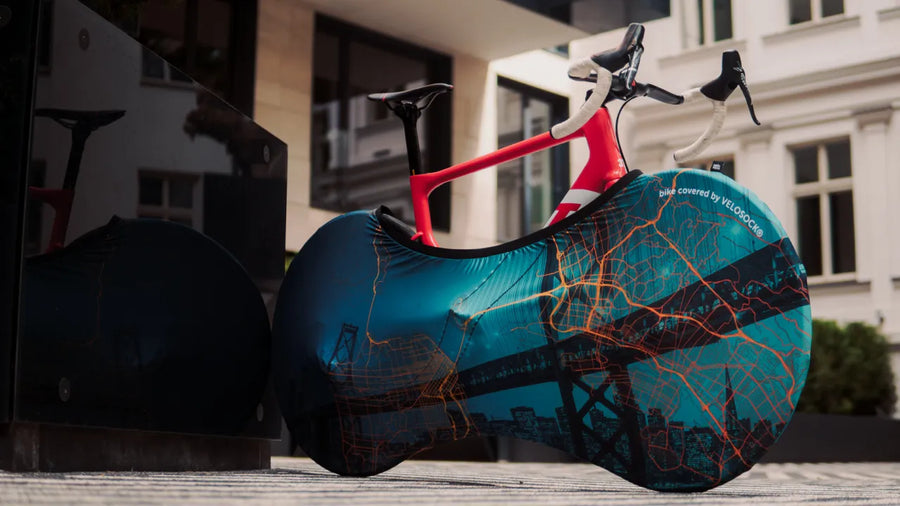
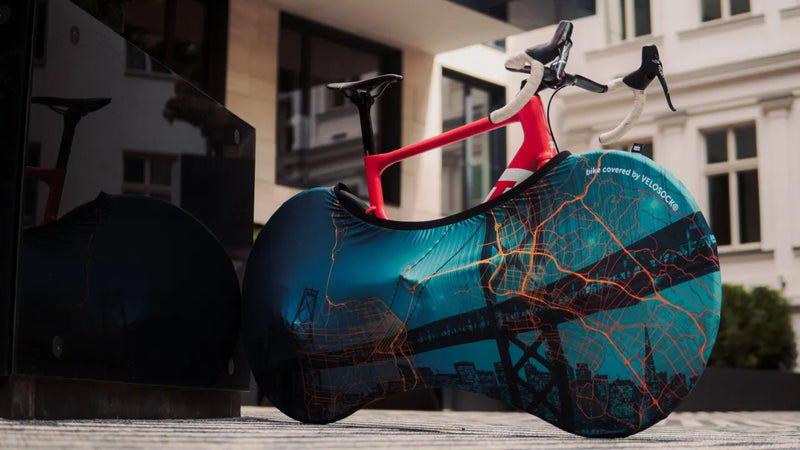
Our bike covers represent the final step in proper post-ride care. After cleaning and basic maintenance, covering your bike protects it from dust, moisture, and accidental damage during storage.
There's also something deeply satisfying about uncovering a clean, well-maintained bike that's ready to perform. It transforms the start of your next ride from grabbing a dusty, neglected machine to unveiling equipment that looks and feels cared for.
Remove your computer, lights, and other accessories. Charge what needs charging and store everything in designated spots so you're not hunting for gear before your next ride.
Check tire pressure and look for embedded debris. Removing glass or thorns now prevents flats later.
Your bike isn't the only equipment that needs post-ride attention. Your body powered every pedal stroke, and how you care for it determines how you'll feel tomorrow and how long you can keep cycling.
If you have hot spots, chafing, or sore areas, deal with them immediately. Clean the area thoroughly and apply appropriate treatments. Small problems become big ones if ignored.
Check your feet for blisters or pressure points. Your cycling shoes should feel comfortable throughout your ride—if they don't, address fit issues before they become injuries.
Recovery happens during sleep, so set yourself up for good rest. Avoid caffeine late in the day, even if you feel tired after a hard ride.
Consider a magnesium supplement or Epsom salt bath to promote muscle relaxation. Many cyclists find that consistent post-ride routines help signal their body to shift into recovery mode.
Cycling is as much mental as physical, and the best cyclists understand that post-ride mental processing is crucial for long-term motivation and improvement.
Take a few minutes to think about what just happened while it's fresh in your memory. How did you feel? What went well? What was challenging?
This isn't about being overly analytical—it's about building self-awareness that makes you a better cyclist. Maybe you noticed you always struggle on a particular section, or you felt strongest during certain conditions.
Many cyclists keep simple ride logs, noting distance, time, how they felt, and observations about performance or equipment. This data becomes invaluable for tracking progress and identifying patterns.
Take a moment to appreciate what you just accomplished. Whether you completed your first 10-mile ride or finished a century, acknowledge the achievement.
Think about what your body just did, the places you saw, or the people you rode with. This positive reinforcement strengthens the mental associations that keep you coming back to cycling.
While your ride is fresh in your mind, consider what you want to do next. Maybe you discovered a new route to explore, or you realized you need to work on specific skills.
This forward-thinking approach keeps cycling exciting and goal-oriented. Instead of just completing rides, you're building toward something bigger.
If you ride with others, take time to connect about the shared experience. If you rode solo, consider sharing highlights with cycling friends or online communities.
The social aspect of cycling often gets overlooked, but it's crucial for long-term enjoyment. Cycling is more fun when it's shared, even if the sharing happens after the ride.
While everything is fresh, note equipment performance and route conditions. Did something feel off with your bike fit? Was there construction on your usual route? Any hazards to remember?
These observations help you make better decisions about equipment, routes, and ride planning. They also help you share valuable information with other cyclists.
The key for cyclists to developing lasting post-ride rituals is starting small and being consistent. Don't try to implement all five perfectly from day one. Pick one or two that resonate most and build from there.
Link new habits to existing ones for better consistency. If you already shower after every ride, add the nutrition habit right before. If you always check your phone, do your ride review first.
The goal isn't perfection—it's consistency. A simple 5-minute routine followed religiously beats an elaborate 30-minute ritual you only do occasionally.
These rituals serve multiple purposes: they improve physical recovery, extend equipment life, enhance mental well-being, and prepare you for future rides. They're investments in your long-term cycling success and enjoyment.
The cyclists who stick with the sport for decades aren't necessarily the most talented. They're the ones who develop sustainable practices that keep them healthy, motivated, and excited about the next ride. These post-ride rituals are the foundation of that sustainability.
Start with whichever ritual appeals to you most, practice it consistently for a few weeks, then gradually add others. Before long, these practices will become automatic, and you'll wonder how you ever rode without them.

![Basics Of Winter Biking – Commuting Year-Round On Your Bicycle [UPDATED]](https://cdn.shopify.com/s/files/1/0028/2784/5721/files/109_600x_997f275c-67a0-43da-b9de-b08c15b88def_550x.jpg?v=1768999916)


