


Winter Cyling Myths Busted: The Truth About Cold Weather Cycling
|
|
Time to read 14 min

|
|
Time to read 14 min
Winter cycling gets a bad rap. The moment temperatures drop and the first snowflake falls, many cyclists hang up their wheels until spring, convinced that cold weather riding is dangerous, miserable, or impossible. Social media fills with posts about "hibernating" until warmer weather returns, while bike shops see a dramatic drop in activity.
But here's the truth: winter cycling can be some of the most rewarding riding of the year. The crisp air, empty trails, and stunning winter landscapes offer experiences that fair-weather cyclists never discover. The problem isn't winter itself - it's the mountain of myths and misconceptions that keep people indoors.
These myths range from the merely annoying to the genuinely dangerous. Some discourage people from enjoying winter riding, while others lead to poor decisions that actually make cold weather cycling unsafe or uncomfortable. It's time to separate fact from fiction and discover what winter riding really offers.
Table of content
This myth probably keeps more cyclists indoors than any other. The belief that cold weather somehow limits your ability to exercise intensely or effectively is not only wrong, it's backwards.
Your body actually performs more efficiently in cold conditions. When it's hot, your cardiovascular system works overtime trying to cool you down, diverting blood flow from working muscles to skin for heat dissipation. In cold weather, this doesn't happen. Your heart can focus entirely on delivering oxygen to working muscles.
Professional athletes have known this for decades. There's a reason why many world records in endurance sports are set in cooler conditions. Your body doesn't have to fight overheating, allowing for sustained high-intensity efforts that would be impossible in summer heat.
Cold air is denser than warm air, meaning each breath contains more oxygen molecules. While the difference isn't dramatic enough to notice during casual riding, it can provide a slight performance advantage during intense efforts.
Many cyclists report feeling stronger and more energetic during winter rides, especially once they're properly warmed up. The key is understanding that the first 10-15 minutes might feel harder as your body adjusts to the cold, but performance often improves as the ride progresses.
Winter riding forces your body to work harder just to maintain core temperature, which can actually enhance training adaptations. Your cardiovascular system becomes more efficient, and your body learns to generate and conserve heat more effectively.
Many professional cyclists specifically seek out cold weather training for these benefits. The additional metabolic demand of staying warm adds an extra training stimulus that you simply can't get in comfortable conditions.
This myth contains a grain of truth, which makes it particularly dangerous. Yes, road salt and winter moisture can damage bikes, but only if you ignore basic maintenance practices. Proper care makes winter riding completely safe for your equipment.
Road salt is corrosive, especially to steel components like chains, cables, and bolts. Winter moisture can also cause problems if it freezes in cables or gets into bearings. But these issues are entirely preventable with proper preparation and post-ride care.
The cyclists who experience winter bike damage are usually those who ride through salt and slush, then put their bikes away wet and dirty. It's the neglect, not the winter conditions, that causes the problems.
Pre-ride preparation makes all the difference. Apply extra chain lubricant before winter rides, focusing on wet lubes that resist washing off. Consider using frame protection film on areas most exposed to road spray.
Some cyclists use dedicated winter bikes with components specifically chosen for harsh conditions. Stainless steel cables, sealed bearings, and corrosion-resistant bolts can handle winter abuse better than standard components.
The key to winter bike longevity is immediate post-ride care. Rinse your bike with clean water to remove salt and grime, then dry it thoroughly. Pay special attention to the drivetrain, cables, and any areas where salt might accumulate.
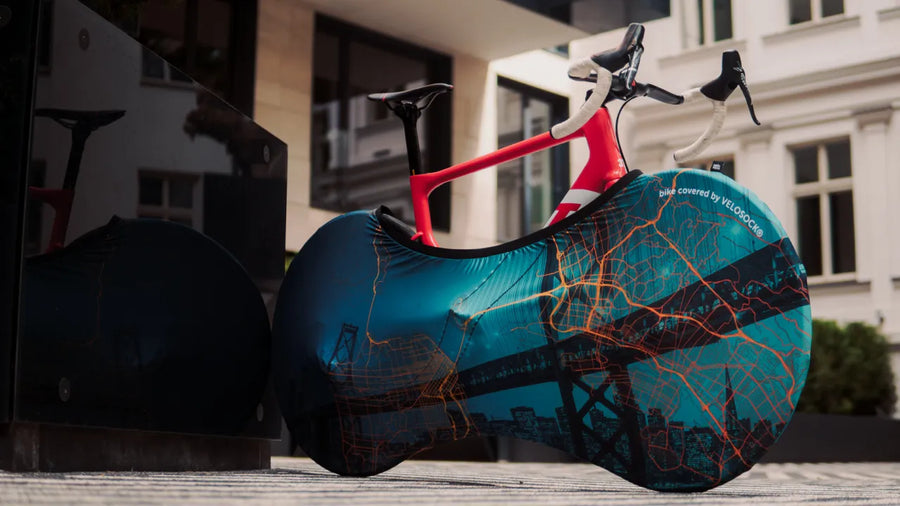
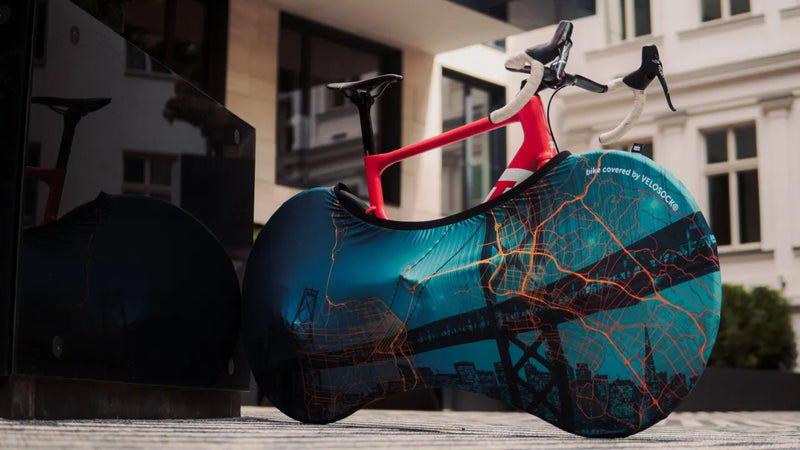
This is where proper storage becomes crucial. Our bike covers play an essential role in winter bike care. After cleaning your bike, covering it with our Carbon Black or Endurance models protects against moisture and humidity during storage. These covers are designed to handle the challenging conditions that winter bikes face, providing breathable protection that prevents condensation while blocking moisture infiltration.
Many winter cyclists develop efficient post-ride routines: a quick rinse, thorough drying, fresh chain lube, and proper covered storage. This routine takes maybe 10 minutes but can extend bike life by years.
This myth often comes from people who've never actually tried winter cycling, or who attempted it without proper preparation. While winter riding does present unique challenges, it's not inherently more dangerous than summer cycling—it just requires different skills and awareness.
Winter days are shorter, meaning more riding in low-light conditions. But this is easily addressed with proper lighting and reflective gear. Modern LED lights are incredibly bright and long-lasting, making cyclists more visible than ever before.
Many winter cyclists actually find roads less crowded and drivers more cautious during winter conditions. The aggressive summer traffic that plagues many cycling routes often disappears when weather gets challenging.
Yes, ice and snow can create traction challenges, but so can wet leaves, gravel, or oil slicks in summer. The key is adjusting your riding style to match conditions, just as you would for any challenging surface.
Studded tires provide excellent traction on ice and packed snow, while wider tires with aggressive tread patterns handle most winter conditions well. Many cyclists are surprised by how much traction is available once they learn proper winter riding techniques.
Hypothermia and frostbite are real concerns, but they're entirely preventable with proper clothing and ride planning. The key is understanding how your body loses heat and dressing accordingly.
Most winter cycling injuries are actually related to overdressing and overheating, not cold exposure. Learning to layer properly and regulate body temperature is more important than simply piling on warm clothes.
The cycling industry loves to sell specialized winter gear, leading many to believe that winter riding requires a complete equipment overhaul. While some specialized items are helpful, you can start winter cycling with gear you probably already own.
You don't need cycling-specific winter clothing to start. Layering regular athletic wear often works better than expensive cycling jackets that don't breathe properly. The key is understanding layering principles: base layer for moisture management, insulating layer for warmth, and outer layer for wind and water protection.
Many successful winter cyclists use running tights, hiking layers, and other non-cycling specific gear. The most important factor is fit—clothes that are too tight restrict circulation and actually make you colder.
Winter cycling shoes are nice but not essential. Waterproof shoe covers over regular cycling shoes work well for most conditions. Some cyclists use winter hiking boots with platform pedals, sacrificing some efficiency for warmth and versatility.
The key is keeping feet dry and maintaining circulation. Tight shoes that restrict blood flow will make your feet cold regardless of how much insulation they have.
You don't need a dedicated winter bike to start. Your regular bike can handle winter conditions with minor modifications: wider tires for better traction, fenders to keep spray off you and the bike, and perhaps different lighting for shorter days.
Studded tires are helpful for icy conditions but aren't necessary for most winter riding. Many cyclists ride all winter on regular tires, adjusting their routes and riding style to match conditions.
This might be the most persistent myth because it's often based on bad first experiences. People try winter riding once, get cold and miserable, and conclude that winter cycling is inherently unpleasant. But discomfort usually comes from poor preparation, not winter conditions themselves.
Winter cycling comfort is a skill that improves with experience. Your first few rides might involve some trial and error with clothing, pacing, and route selection. But once you dial in your system, winter riding can be incredibly comfortable.
Many experienced winter cyclists prefer cold weather riding to summer heat. There's no overheating, no excessive sweating, and no dealing with bugs or intense sun. The crisp air and clear visibility can make winter rides more pleasant than summer suffering.
The key to winter comfort is understanding that you should feel slightly cool when you start riding. Your body will warm up within the first few minutes, and if you're comfortable standing still, you'll likely overheat once you start pedaling.
This takes practice to get right. Most beginners overdress, then spend their entire ride overheated and sweaty. Learning to dress for your effort level, not the air temperature, transforms the winter riding experience.
Much of winter riding comfort is mental. Instead of fighting the cold, successful winter cyclists learn to work with it. They appreciate the unique beauty of winter landscapes, the solitude of empty trails, and the satisfaction of riding when others won't.
This mental shift often happens gradually. What starts as determination to maintain fitness through winter often evolves into genuine appreciation for winter riding's unique pleasures.
This myth assumes that cold weather somehow limits endurance or makes long rides impossible. In reality, some of the most epic cycling adventures happen in winter conditions, and many cyclists find they can ride longer distances in cold weather than in summer heat.
Your body's ability to sustain effort isn't diminished by cold weather—it's often enhanced. Without the stress of overheating, you can maintain steady efforts for hours. The key is proper fueling and hydration, which work differently in cold conditions.
Many ultra-endurance events specifically take place in winter conditions because the cold provides natural cooling that allows for sustained efforts impossible in heat. Cyclists regularly complete centuries, double centuries, and multi-day tours in winter conditions.
Winter riding does require different fueling strategies. You burn more calories maintaining body temperature, so you need to eat more frequently. Warm foods and drinks become more important for both nutrition and morale.
Hydration is trickier because you don't feel thirsty in cold conditions, but you're still losing fluids through respiration and sweating. Many winter cyclists use insulated bottles or hydration systems to prevent freezing while ensuring adequate fluid intake.
Long winter rides require more careful planning than summer rides. Shorter daylight hours mean starting earlier or accepting night riding. Weather can change quickly, so you need backup plans and escape routes.
But these challenges make winter riding more engaging, not impossible. The planning and preparation required often make winter rides more satisfying than casual summer spins.
The rise of smart trainers and virtual cycling platforms has convinced many cyclists that indoor training can completely replace outdoor winter riding. While indoor training has its place, it can't replicate the full benefits of actual winter cycling.
Winter riding develops bike handling skills that no trainer can teach. Learning to ride on various surfaces, in different weather conditions, and with reduced traction makes you a more complete cyclist.
These skills transfer to all your riding. Cyclists who ride through winter often find themselves more confident and capable when conditions get challenging during other seasons.
Indoor training can maintain fitness, but it can't provide the mental health benefits of outdoor exercise. Fresh air, natural light, and changing scenery all contribute to psychological well-being that indoor training lacks.
Many cyclists report that winter riding helps combat seasonal depression and maintains motivation better than indoor alternatives. The sense of accomplishment from completing a challenging winter ride is something no virtual platform can replicate.
Your body adapts differently to indoor versus outdoor training. Indoor training typically involves steady efforts in controlled conditions, while outdoor winter riding requires constant micro-adjustments for terrain, weather, and road conditions.
These variable demands create different training stimuli that can actually improve your overall cycling performance. The unpredictability of outdoor conditions forces adaptations that steady indoor training can't provide.
This persistent myth claims that breathing cold air during exercise damages your respiratory system or causes lasting harm. While cold air can feel uncomfortable initially, it doesn't cause lung damage in healthy individuals.
Your respiratory system is remarkably efficient at warming and humidifying incoming air. Even in extremely cold conditions, air reaches body temperature by the time it hits your lungs. The initial sensation of breathing cold air is just that—a sensation, not damage.
Some people do experience exercise-induced asthma symptoms in cold conditions, but this is a manageable condition, not permanent damage. Using a buff or balaclava to pre-warm incoming air often eliminates any discomfort.
Regular winter riding actually strengthens your respiratory system. Your body becomes more efficient at warming incoming air and managing the increased oxygen demands of cold weather exercise.
Many winter cyclists report improved lung capacity and respiratory efficiency that carries over to all their riding. The deeper, more controlled breathing required in cold conditions can actually improve overall respiratory health.
The belief that cold weather exercise leads to more frequent illness is widespread but scientifically unfounded. In fact, regular winter exercise typically strengthens immune function rather than weakening it.
Moderate exercise boosts immune system function, regardless of temperature. The stress of exercise stimulates immune responses that help fight off infections. This benefit doesn't disappear just because it's cold outside.
The correlation between winter and increased illness comes from spending more time indoors in close contact with others, not from cold exposure during exercise. Outdoor winter exercise actually reduces exposure to indoor pathogens.
The key to staying healthy during winter riding is proper recovery. Getting out of wet clothes quickly, warming up gradually after rides, and maintaining good nutrition all support immune function.
Many winter cyclists report getting sick less often than their sedentary counterparts, likely due to the immune-boosting effects of regular exercise and reduced exposure to indoor germs.
The truth about winter cycling is that it's challenging, rewarding, and completely achievable with proper preparation. The myths persist because they're easier to believe than learning new skills and adapting to different conditions.
The key to successful winter cycling is starting gradually and learning from experience. Begin with shorter rides in mild winter conditions, gradually building up to longer rides and more challenging weather.
Invest time in learning proper layering techniques, bike maintenance, and route planning. These skills develop over time and make each winter ride more comfortable and enjoyable than the last.
While you don't need expensive specialized gear to start, some equipment does make a significant difference. Good lights for visibility, appropriate tires for traction, and quality base layers for moisture management are worth investing in.
Proper bike storage becomes even more important in winter. Our bike covers provide crucial protection for bikes exposed to salt, moisture, and temperature fluctuations. The Endurance and Carbon Black models are specifically designed to handle the harsh conditions that winter bikes face, providing breathable protection that prevents corrosion while allowing proper air circulation.
Winter cycling is a skill set that improves with practice. Learning to read road conditions, adjust your riding style for reduced traction, and manage your body temperature are all skills that develop over time.
Many cyclists find that winter riding makes them better overall riders. The heightened awareness required for winter conditions, the bike handling skills developed on variable surfaces, and the mental toughness built through challenging rides all transfer to improved performance year-round.
The biggest myth about winter cycling might be that it's something to endure rather than enjoy. In reality, winter offers some of the most beautiful and rewarding cycling experiences of the year.
Empty trails covered in fresh snow, crisp air that makes every breath feel clean and energizing, and the satisfaction of riding when others won't all contribute to experiences that fair-weather cyclists never discover.
The key is approaching winter cycling with the right mindset: not as a way to suffer through the cold months, but as an opportunity to discover new aspects of cycling. With proper preparation, appropriate gear, and realistic expectations, winter riding can become a highlight of your cycling year rather than something to endure.
Start small, learn gradually, and don't let myths and misconceptions keep you from discovering what winter cycling really offers. The roads and trails are waiting, and they're more beautiful in winter than you might imagine.
Winter cycling myths have kept countless cyclists indoors unnecessarily, missing out on some of the year's most rewarding riding experiences. The truth is that cold weather cycling is not only possible but often superior to summer riding in many ways.
Your body performs more efficiently in cold conditions, with better oxygen delivery and no overheating concerns. Bikes don't get "ruined" by winter conditions—they get damaged by neglect and poor post-ride care. Proper maintenance, including quality protective covers like our Carbon Black and Endurance models, keeps bikes in excellent condition through the harshest winters.
Winter riding isn't inherently dangerous, uncomfortable, or limited to short distances. It doesn't require expensive specialized gear, damage your lungs, or make you sick more often. These myths persist because they're easier to believe than learning proper winter riding techniques.
The reality is that winter cycling offers unique benefits: improved performance, enhanced bike handling skills, mental health benefits, and access to beautiful winter landscapes that fair-weather cyclists never experience. With proper preparation, appropriate clothing, and basic maintenance knowledge, winter riding can become the highlight of your cycling year.
Don't let myths keep you indoors this winter. Start gradually, learn proper techniques, and discover what you've been missing. The roads and trails are waiting, and they're more beautiful in winter than you ever imagined.


