












Bike Scuff Marks on Walls: The Magic Eraser Isn't a Fix, Here's What Actually Stops Them
You scrub the black rubber streak off the staircase wall, feel briefly victorious, then find a fresh mark in the exact same spot a week later. That's because cleaning treats the symptom, not the cause: the tyre or handlebar is still touching painted plaster every time the bike gets wheeled in, leaned, or bumped past a doorway.
Here's the short version before we get into why melamine sponges and baking soda paste keep letting you down.
Key takeaways
- Magic Erasers work by micro-abrasion, gently sanding off the top layer of paint along with the mark, which is why walls scrubbed repeatedly develop dull, thinned patches within a few months.
- Tyre compound contains carbon black, the same pigment used in printer toner, and it transfers onto matte and eggshell paint on contact pressures as low as normal bike-parking contact.
- Handlebar grips and bar-end plugs cause a second, higher, narrower band of marks that most cleaning threads don't even address because they're focused on tyre streaks.
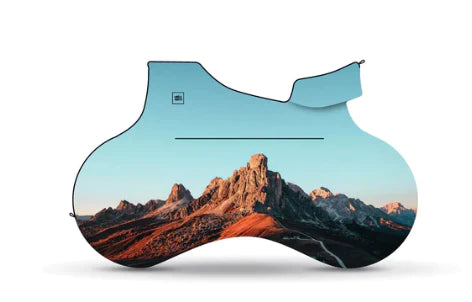
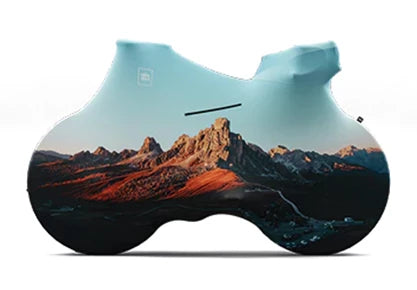
- A stretch fabric cover that fully encloses the tyres and bars removes the contact point entirely, so there's nothing to scrub off in the first place.
- One long-running cycling forum thread on minimising wall scuffs settled, after dozens of cleaning tips, on physical barriers as the only approach that stopped recurrence rather than just resetting the clock.

Why Cleaning Products Never Actually Solve Bike Scuff Marks
Effectiveness
Magic Erasers and similar melamine sponges genuinely do lift most tyre marks on the first pass, which is exactly why they get recommended so often. The problem is what happens on pass ten. Melamine foam is essentially a very fine abrasive; independent material safety reviews of household abrasive cleaners note that repeated use on painted or coated surfaces gradually removes the finish layer rather than just the residue sitting on it. Baking soda paste is milder but works the same way, on a slower timeline.
Durability of the Fix
There isn't one. Cleaning doesn't change anything about how the bike is stored, so the next time it's wheeled past the same 12-inch stretch of wall, the same tyre tread meets the same paint at the same angle. The forum thread that inspired this piece is a good illustration: contributors posted cleaning routines, then returned months later reporting the marks were back, sometimes worse because the paint underneath had already been thinned by prior scrubbing.
Practicality
It's also a recurring chore. Anyone storing a bike **indoors in a hallway, stairwell, or living room** ends up on a cleaning cycle: park, mark, scrub, repeat. For a bike used several times a week, that's a genuinely tedious maintenance task that never gets shorter.
Price
Melamine sponges cost very little per unit, which is the main reason this method persists. But the real cost shows up later as **repainting**. A single wall repaint in a rented flat, including primer for the thinned patch, typically runs well past the cost of a one-time storage fix, and rental deposit deductions for scuffed or thinned paint are common enough to be worth avoiding altogether.
Why Tyre and Handlebar Contact Is the Actual Root Cause
Effectiveness
Understanding *why* marks appear points straight at the fix. Bicycle tyres are compounded with carbon black for UV resistance and grip, and that same pigment is what stains painted surfaces on contact. Handlebar grips, brake lever hoods, and bar-end plugs add a second contact zone at a different height, which is why some walls show two distinct bands of marks rather than one.
Durability of the Fix
As long as rubber and plastic components can touch the wall, marks will recur indefinitely, regardless of how carefully the bike is leaned. Even careful parking leaves the tyre resting against or brushing the surface, and a single knock while manoeuvring around the bike is often all it takes.
Practicality
This is where a full-coverage barrier between bike and wall matters more than technique. A stretch fabric cover that wraps the entire bike, tyres and bars included, means there's simply no exposed rubber or plastic left to transfer a mark. This is the core idea behind VELOSOCK's indoor bike cover collection, designed specifically for bikes parked against walls rather than stored in a garage or shed.
Price
A one-time cover purchase replaces an ongoing cycle of cleaning products and occasional repainting, making it the cheaper option over any timeframe longer than a few months for anyone parking indoors regularly.
Comparing the Three Realistic Approaches
| Approach | Stops marks appearing? | Ongoing effort | Risk to paint | Typical cost pattern |
|---|---|---|---|---|
| Magic Eraser / baking soda cleaning | No, only removes existing marks | Weekly or more | High with repeated use | Low per use, adds up, plus eventual repaint risk |
| Repositioning the bike or adding a bike stand | Partially, reduces frequency | Low once set up | Low | Low to moderate, one-time |
| Full-coverage stretch cover (tyres and bars enclosed) | Yes, removes the contact point | Seconds to put on/off | None | One-time, no recurring spend |
Do Bike Stands Solve This on Their Own?
Effectiveness
A wall-mounted hook or floor stand angles the bike away from the wall and helps, particularly for the lower tyre-height marks. It's a genuine improvement over leaning the bike freehand.
Durability of the Fix
Over time, though, most stands still leave the bike close enough that a bump, a passing housemate, or a child's school bag knocks the bike back against the wall. Stands reduce frequency of contact; they don't eliminate it.
Practicality
Stands also require wall space and, for hook-style mounts, drilling, which isn't always possible in a rented flat. They solve positioning but do nothing about the handlebar band of marks, since bars still sit at head height near the wall regardless of stand angle.
Price
A basic floor stand is inexpensive and worth having, but for anyone who has already tried this and is still finding marks, it confirms the issue is contact, not just angle, which is precisely what a full-body cover addresses.
Stop the Scuff Cycle for Good
If you've already scrubbed the same patch of wall more than once, the fix isn't a better sponge. VELOSOCK's stretch covers fully enclose the tyres, frame, and bars in seconds, so there's nothing left touching your paintwork.
Shop Indoor Bike CoversWhat About Just Cleaning More Carefully, or Using a Different Product?
Effectiveness
Switching from melamine sponges to something gentler, like a **soft microfibre cloth with diluted dish soap**, does reduce abrasion damage to the paint. It's a reasonable upgrade for anyone determined to keep cleaning as their main strategy.
Durability of the Fix
It still doesn't stop the mark from happening again. Gentler cleaning is kinder to your wall in the long run but changes nothing about the underlying contact between tyre and paint.
Practicality
This approach also demands consistency. It only works if you catch marks early, before rubber pigment sets into the paint's texture, which for textured or matte finishes can happen within days according to general guidance from building science resources on interior paint durability.
Price
Gentle cleaning supplies cost roughly the same as abrasive ones, so there's no real saving, just a slower rate of paint damage while the root cause remains unaddressed.
Conclusion
The Bike Forums thread that prompted this piece ran for pages of cleaning tips before the consensus quietly shifted toward **prevention rather than removal**. That tracks with the underlying physics: as long as a tyre or handlebar can touch a wall, it will eventually leave a mark, no matter how good your cleaning technique gets. A stand helps with angle. A gentler cloth helps with paint longevity. But only a full-coverage cover, one that wraps tyres and bars completely, removes the contact point altogether. For anyone storing a bike indoors on a regular basis, that's the difference between an occasional five-second habit and a recurring cleaning chore that never actually ends. Browse VELOSOCK's indoor bike cover range to match a stretch cover to your bike's size and stop the marks before they start.
FAQs
Why do bike scuff marks keep coming back even after I clean them?
Because cleaning removes the mark, not the cause. The tyre or handlebar is still in the same position and will touch the wall again the next time the bike is moved, parked, or bumped, recreating the same mark within days or weeks.
Does a Magic Eraser damage paint over time?
Yes, with repeated use. Melamine sponges work through fine abrasion, gently sanding the surface along with the mark. Used weekly on the same spot, this thins the paint finish and can leave a dull or uneven patch even after the scuff itself is gone.
Will a bike stand alone stop wall scuffs?
It helps reduce frequency by angling the bike away from the wall, but it rarely eliminates contact entirely, especially at handlebar height, and doesn't protect against accidental bumps. It's a useful partial measure rather than a complete fix.
What actually stops bike scuff marks on walls for good?
A full-coverage stretch cover that wraps the tyres, frame, and handlebars so there's no exposed rubber or plastic left to transfer onto the wall. This removes the contact point entirely rather than reducing or masking it.


Leave a comment